
If you're still deciding between a tank and tankless system, or want the full cost breakdown across every option, our water heater installation guide covers that comparison in full. This page goes deeper on tank systems specifically — the brands and models we install, how sizing actually works for Forest Hills row houses vs. multi-family properties, and the space and code requirements that catch people off guard mid-installation.
Tank water heaters remain the right call for most Queens households: lower upfront cost, simpler installation, and no gas line upgrades required in most existing setups. Here's what goes into doing it correctly.
Tank water heater installation is not always tied to a complete system failure. In many cases, homeowners choose installation to improve reliability or meet growing household demand.
You may need installation if:
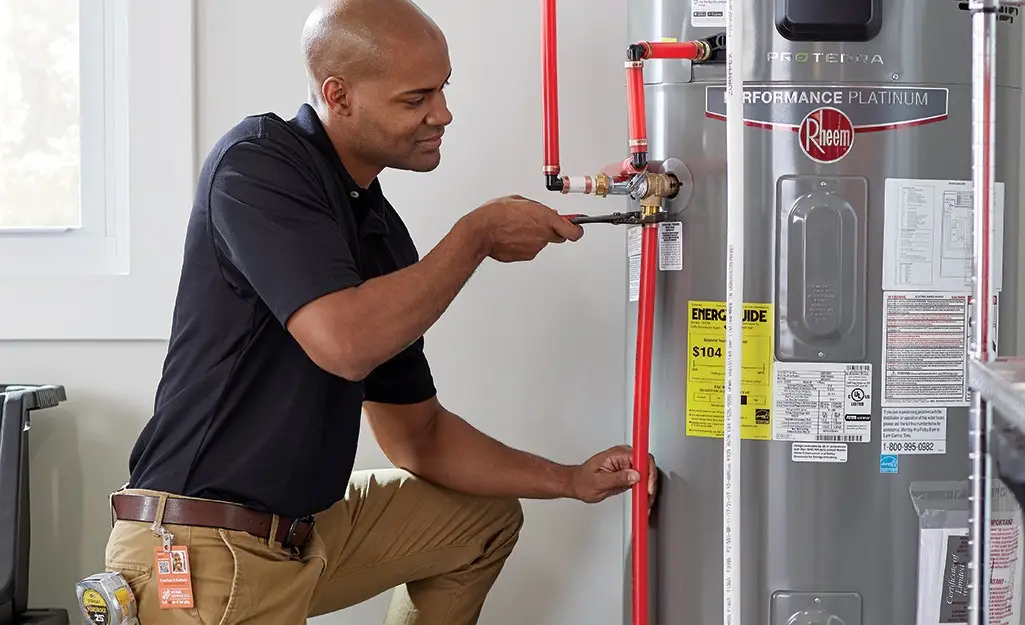
Not all tank water heaters are built the same, and the warranty differences matter more than most homeowners realize when something fails in year 7.
Bradford White — Widely used across Queens for its longer-than-average warranty terms and consistent parts availability. The Defender Safety System line is a common choice for gas installations where code requires flame-arrestor protection. Standard warranty: 6-10 years depending on model tier.
Rheem — The Performance and Performance Platinum lines cover most household sizes we install. Platinum models include a longer parts and labor warranty (typically 10-12 years) and better first-hour recovery rates, which matters in households with back-to-back morning showers.
A.O. Smith — Known for reliable electric tank models, particularly in properties without gas service. The ProLine and Signature Premier series are common choices where quiet operation and energy efficiency ratings matter for a smaller utility space.
State Water Heaters — Often a strong value option with solid mid-range warranties (typically 6-8 years), a good fit when budget is the primary constraint but reliability still matters.
We don't push one brand across every job — the right choice depends on your gas/electric setup, available space, and how long you plan to stay in the property (a 12-year warranty matters less if you're selling in three years).
Forest Hills housing stock varies more than people expect, and it directly affects what tank installation actually involves:
Row houses and older single-family homes often have the water heater in a basement or utility area with reasonable clearance, but older gas lines and venting sometimes need updating to meet current code even when you're just swapping a like-for-like tank.
Co-ops and apartment buildings frequently have the tightest constraints — a water heater sharing space with a boiler or laundry hookup. In these cases, a top-connect tank (where all water and gas connections enter from the top rather than needing side clearance) is often the only configuration that fits, and not every brand offers one in every size.
Two-family and multi-family properties need a different sizing approach entirely — either a larger shared tank sized for combined peak demand, or in some cases, separate units per unit for accurate billing and reliability. We calculate this based on total occupancy and simultaneous usage patterns, not just square footage.
Drain pan and expansion tank requirements — NYC code requires a drain pan under tanks installed above living space (a common scenario in Queens multi-family buildings), and an expansion tank is required on closed-loop systems with a backflow preventer or pressure-reducing valve, which many older Queens homes have without the homeowner realizing it. Skipping either during a "simple swap" is one of the most common code violations we find on jobs where another company cut corners.
Tank water heaters can operate on gas or electricity, and the installation process depends on the type of system you choose.
Gas tank systems heat water quickly and are commonly used in many homes. Electric tank systems are simpler to install and are often used in properties without gas connections.
We handle both installation types and ensure the system is properly set up for your home.
A proper installation process ensures your system performs efficiently and safely over time. Every step needs to be handled carefully to avoid issues after setup.
Our installation process includes:
We focus on doing the job correctly so you don’t face performance issues later.
Some homeowners consider switching between tank and tankless systems during installation. Each option has its own benefits depending on usage and property layout.
Tank systems are typically more affordable upfront and work well for consistent usage patterns. Tankless systems offer on-demand hot water and improved energy efficiency.
Installing tank water heaters in Forest Hills requires understanding the layout of different properties. Older homes may have space limitations, while newer properties may allow more flexibility.
We approach each installation based on your property’s setup and requirements.
Experience with a wide range of tank systems
Proper sizing and configuration
Practical recommendations based on usage
Focus on long-term reliability
You can explore service locations here:
This page focuses specifically on tank systems — brand and model selection, sizing for different property types, and placement requirements. If you're still deciding between tank and tankless, or want full pricing across every option, see our water heater installation guide.
It depends on your setup. Bradford White and Rheem Platinum are strong choices for longer warranty coverage, A.O. Smith is a common pick for electric-only properties, and State offers solid mid-range value when budget matters more than warranty length. We recommend based on your gas/electric setup and space, not a default brand.
Often yes, using a top-connect configuration where connections enter from the top of the tank instead of requiring side clearance. Not every model offers this, so brand selection matters more in tight spaces.
If the tank is installed above living space — common in multi-family Queens buildings — NYC code requires a drain pan underneath it. We include this automatically where code requires it.
An expansion tank absorbs pressure buildup in a closed-loop plumbing system (common where a backflow preventer or pressure-reducing valve is present). Many older Queens homes have this setup without the homeowner realizing it, which means an expansion tank is required by code even on a straightforward tank swap.
We calculate combined peak demand across all units rather than sizing for a single household, and in some cases recommend separate units per unit instead of one shared tank for reliability and accurate utility billing.
It varies by brand and model tier — typically 6 years on standard models up to 10-12 years on premium lines like Rheem Performance Platinum. We review the exact warranty terms for your recommended unit before installation.
Sometimes. Even a like-for-like tank replacement can require bringing older gas lines or venting up to current code, which we assess and include in your quote upfront rather than discovering mid-installation.
If you are planning to install a tank water heater, choosing the right system and ensuring proper setup makes a big difference in performance and efficiency.
We are here to help you install a reliable system that meets your household needs.
Contact us today to schedule your installation.