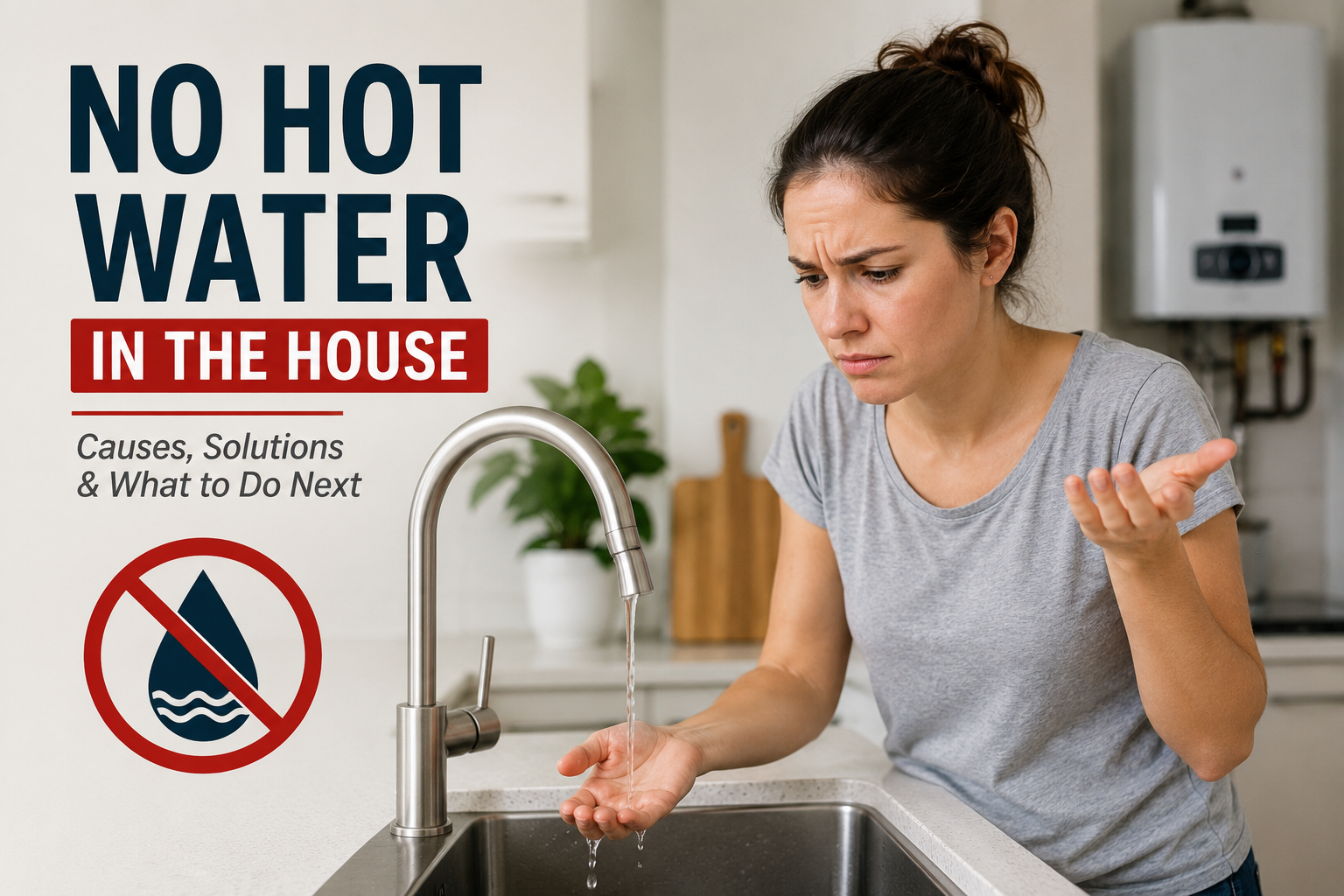
Turning on the tap and getting only cold water is one of the most frustrating problems in any home. Whether it happens suddenly or gradually, no hot water usually points to a specific issue within your water heater system.
In homes across Forest Hills and nearby areas, this problem can be caused by anything from simple electrical issues to more serious system failures. The key is identifying what’s actually wrong before deciding how to fix it.
This guide breaks down the most common reasons you have no hot water in your house and what steps you should take next.
Start With Quick Checks First
Before assuming your water heater has failed, there are a few simple things you should check.
- Make sure the thermostat is set correctly
- Check if the circuit breaker has tripped (electric systems)
- Confirm gas supply is active (gas systems)
- Look for any obvious leaks or warning signs
If everything seems normal and there’s still no hot water, the issue is likely internal.
No Hot Water at All vs Limited Hot Water
Understanding the difference helps narrow down the problem.
No hot water at all
This usually means a major component has failed.
Hot water runs out quickly
This often points to partial system failure or capacity issues.
Each scenario requires a different approach.
Common Causes of No Hot Water
Heating Element Failure (Electric Systems)
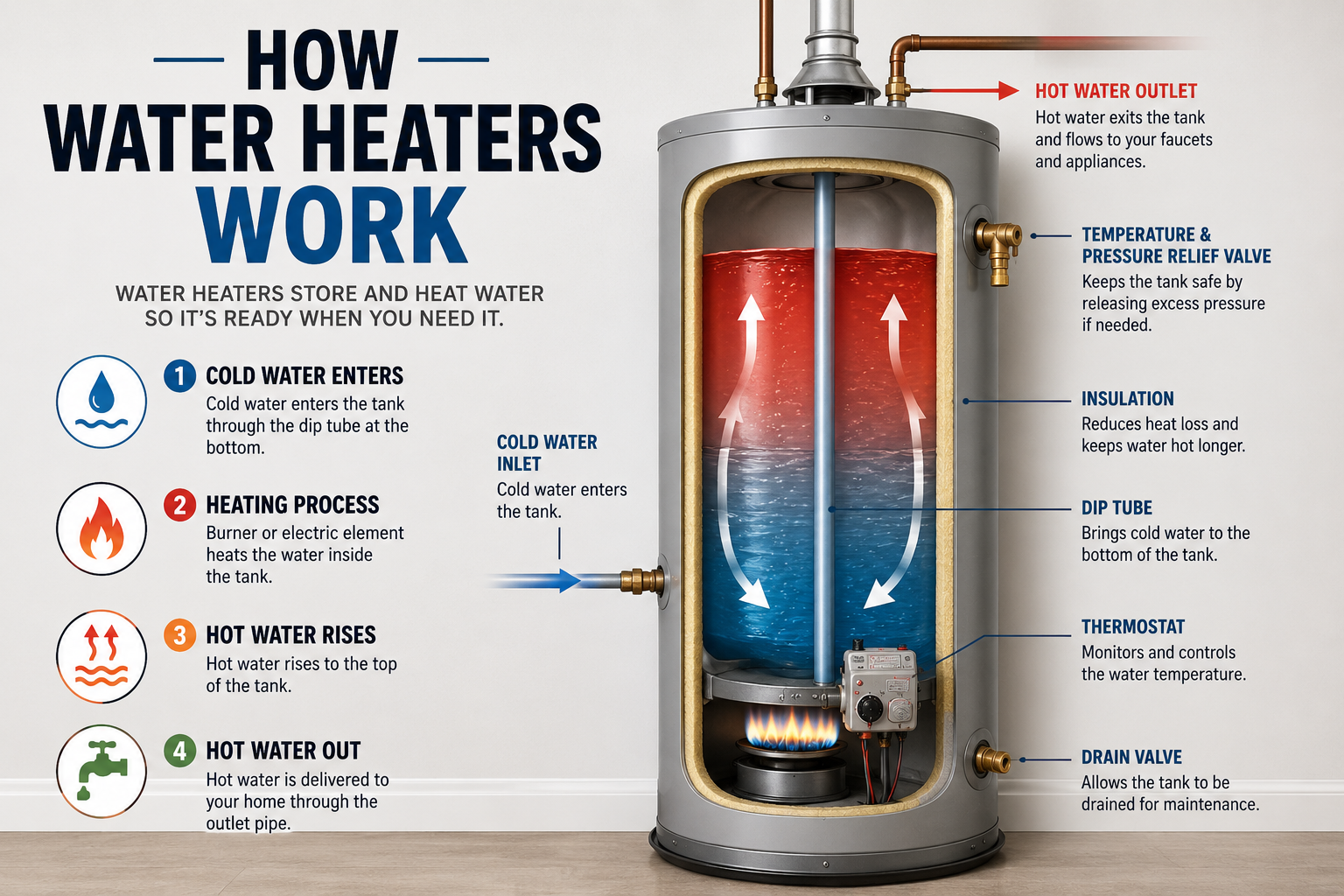
Electric water heaters rely on heating elements. If one or both fail, the system may stop producing hot water entirely.
Signs include:
- No hot water at all
- Water stays cold even after long use
This is one of the most common issues in electric systems.
Pilot Light Issues (Gas Systems)
Gas water heaters use a pilot light to ignite the burner. If it goes out, the system cannot heat water.
Common reasons:
- Faulty thermocouple
- Gas supply interruption
- Drafts affecting the flame
If the pilot light won’t stay lit, the system needs attention.
Thermostat Problems
The thermostat controls the water temperature. If it fails or is set incorrectly, the system may not heat water properly.
This can lead to:
- Cold water only
- Inconsistent heating
Sediment Buildup in Tank
Over time, minerals collect at the bottom of the tank. This reduces efficiency and can prevent proper heating.
This is especially common in older systems and can lead to gradual performance loss.
Electrical or Power Issues
For electric systems, a loss of power will stop heating completely.
Possible causes:
- Tripped breaker
- Faulty wiring
- Internal electrical failure
System Overload or High Demand
If your household uses a lot of hot water at once, the system may not keep up.
This is common in:
- Larger families
- Smaller tank systems
- Older units
Tank vs Tankless No Hot Water Issues
Different systems fail in different ways.
Tank systems
- Run out of hot water when capacity is exceeded
- Lose efficiency due to sediment buildup
Tankless systems
- May not activate if flow rate is too low
- Can shut off due to internal errors or scaling
If your system is tankless, the issue may not be obvious without proper inspection.
What You Can Safely Try Yourself
Some issues can be resolved without professional help.
You can try:
- Resetting the breaker
- Adjusting the thermostat
- Relighting the pilot light (if safe to do so)
If these steps don’t work, the problem likely requires repair.
When You Should Call for Repair
You should contact a professional if:
- There is no hot water at all
- The system keeps failing repeatedly
- The pilot light won’t stay lit
- You suspect electrical or internal issues
- The unit is making unusual noises
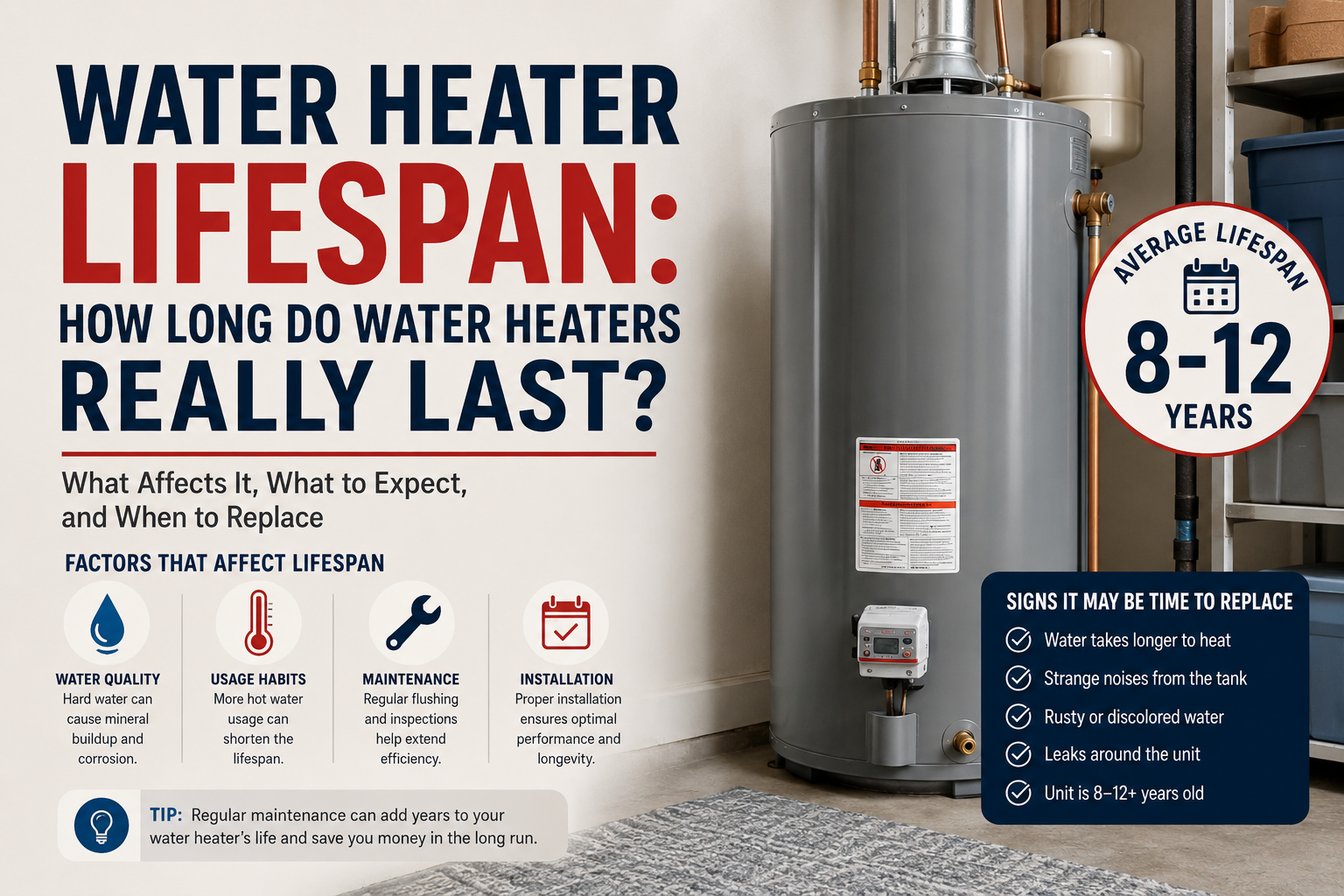
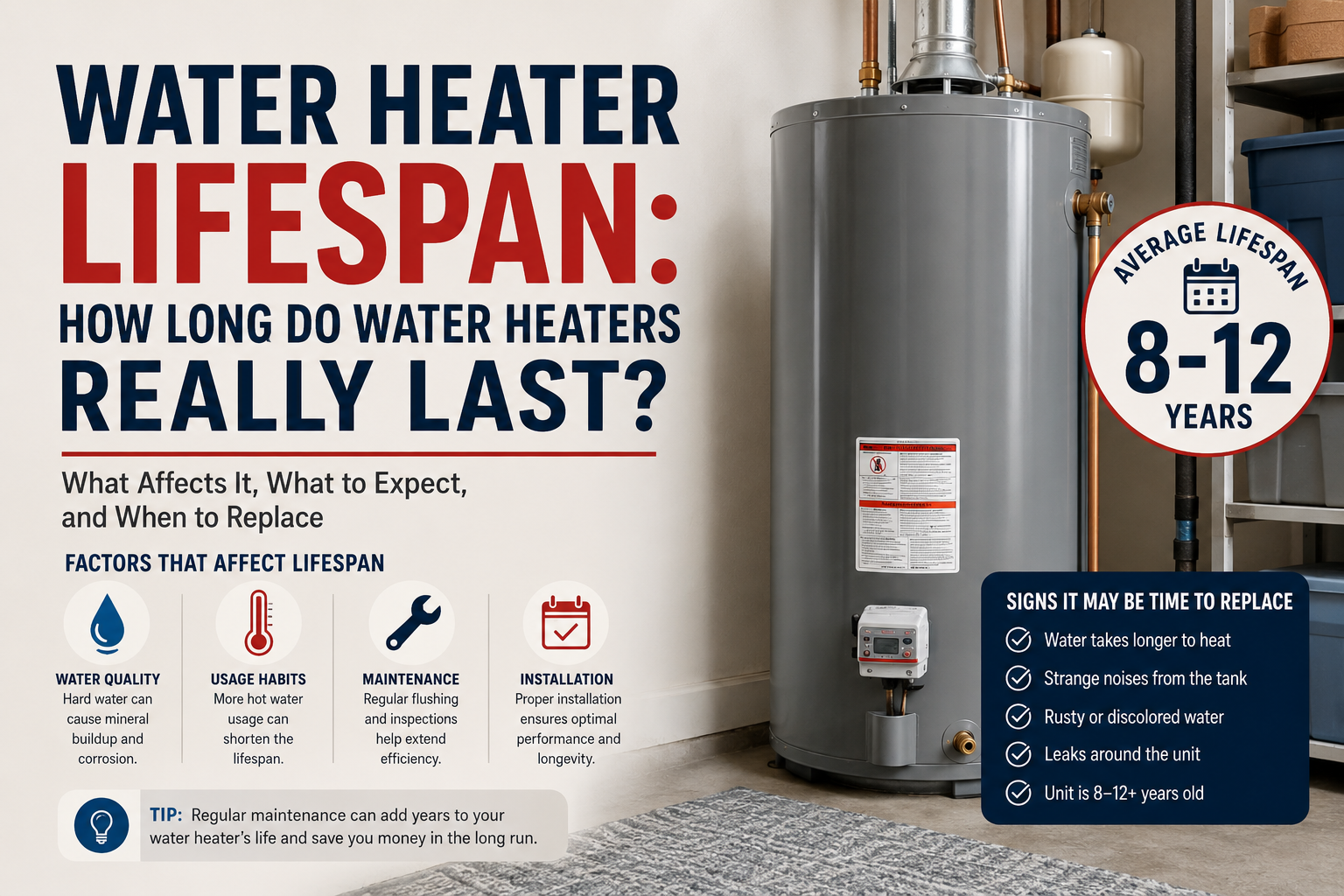
Could It Be Time for Replacement
If your water heater is older and frequently failing, repair may not be the best long-term solution.
Replacement is often recommended when:
- The unit is over 10 years old
- Repairs are becoming frequent
- Performance continues to decline
Preventing No Hot Water Issues in the Future
Preventative care can reduce the chances of sudden failure.
Key steps include:
- Regular maintenance and flushing
- Monitoring performance changes
- Addressing small issues early
Routine servicing can extend the life of your system and improve efficiency.
No Hot Water in Forest Hills Homes
In Forest Hills, many homes rely on older water heater systems that are more prone to issues like sediment buildup and component failure.
Apartment setups and high usage can also strain systems, leading to sudden loss of hot water.