Water heaters are often ignored until something goes wrong. But like any system in your home, regular maintenance is what keeps it running efficiently and prevents sudden breakdowns.
In homes across Forest Hills and nearby areas, many water heater problems could have been avoided with simple routine care. Whether you have a traditional tank system or a tankless unit, understanding how to maintain it properly can save you time, money, and frustration.
This guide explains how water heater maintenance works, what you should check regularly, and when it’s time to call a professional.
Why Water Heater Maintenance Is Important
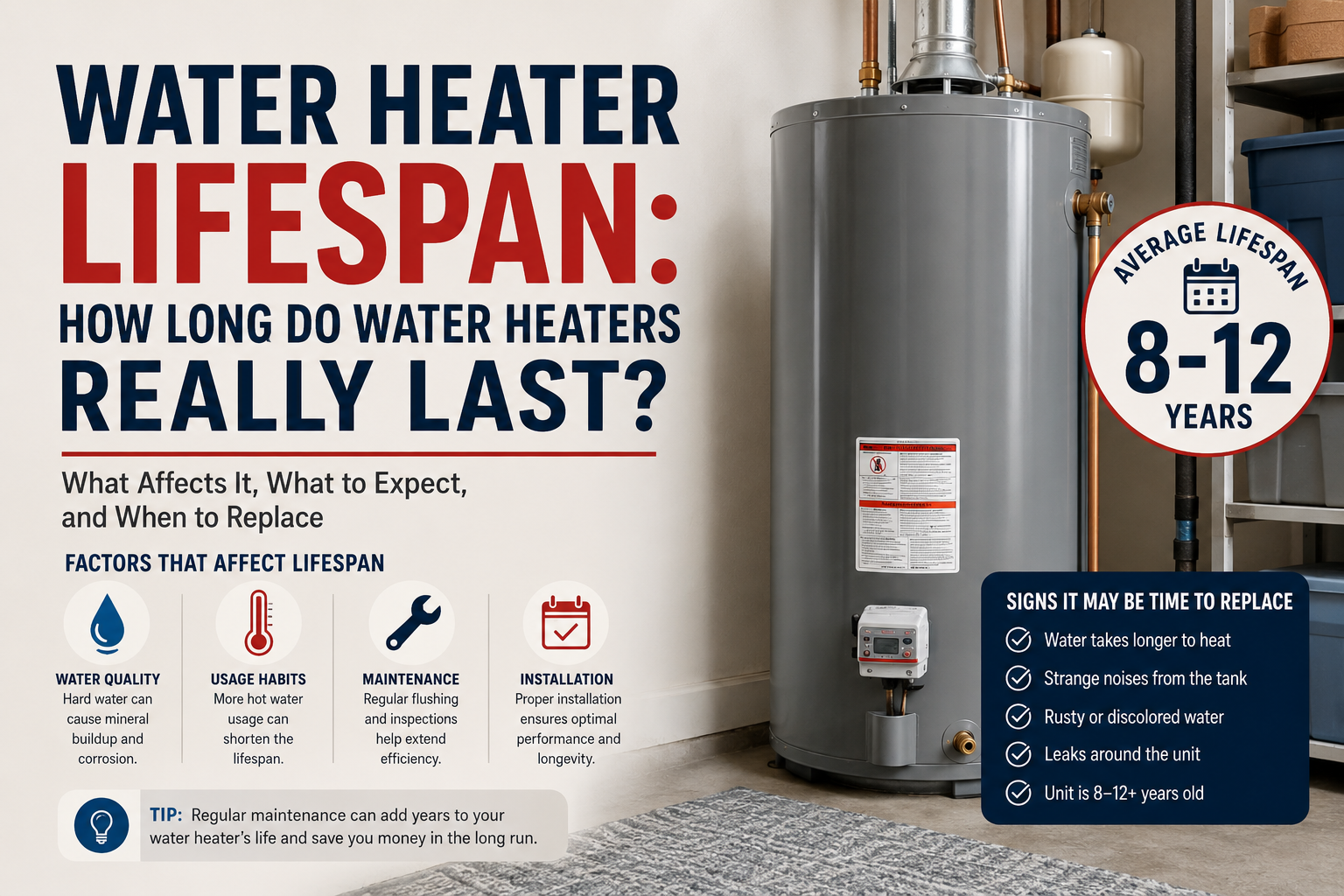
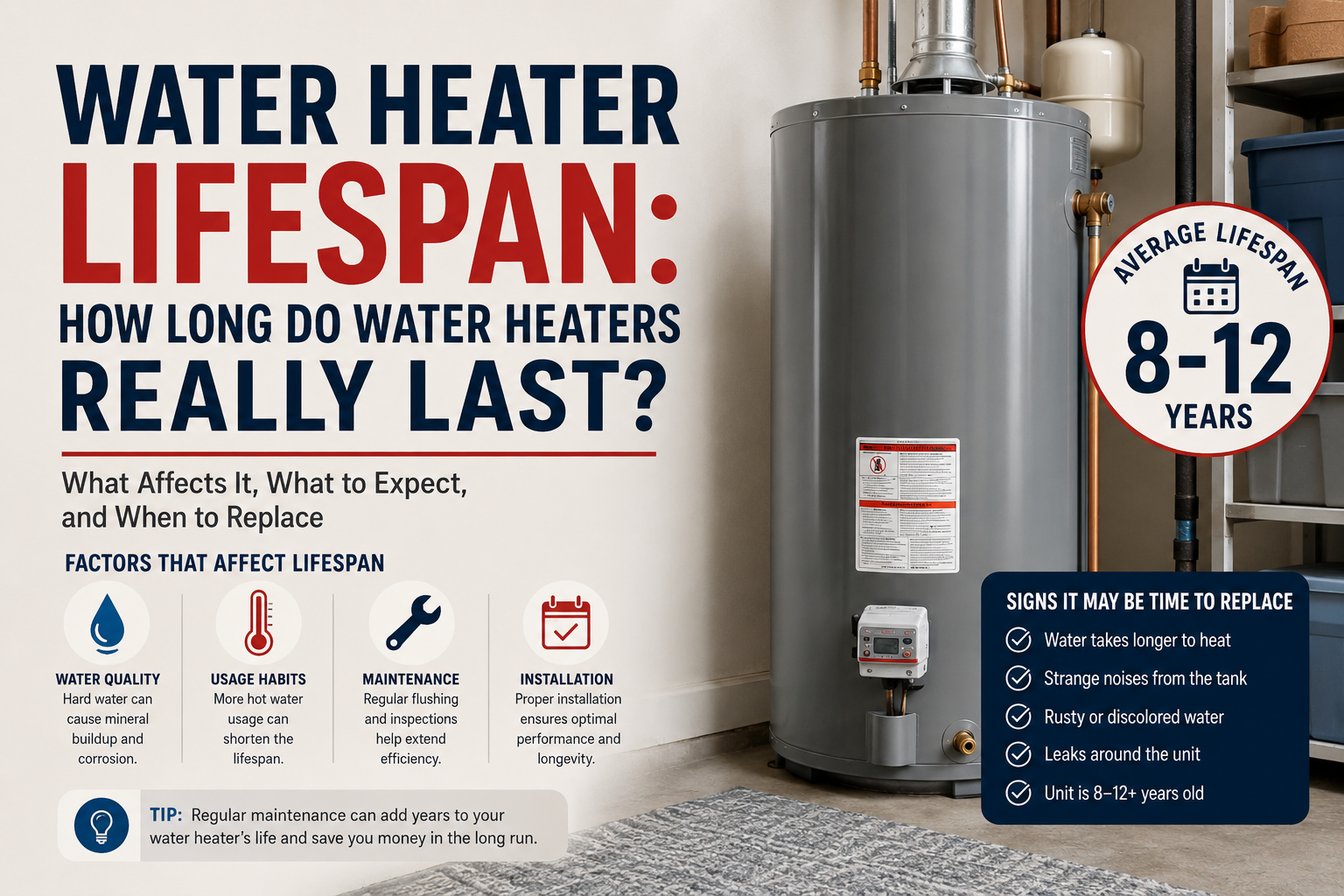
Water heaters operate daily, often under high demand. Over time, internal components wear out, and sediment builds up, reducing efficiency and performance.
Regular maintenance helps:
- Prevent sudden system failure
- Improve energy efficiency
- Extend the lifespan of the unit
- Maintain consistent hot water
- Reduce the need for costly repairs
Ignoring maintenance often leads to bigger problems later.
How Often Should You Maintain Your Water Heater
The frequency of maintenance depends on your system type and usage.
General guidelines:
- Tank water heaters: at least once a year
- Tankless systems: periodic descaling depending on water quality
- High-usage homes: may require more frequent checks
If your system is older, regular maintenance becomes even more important.
Basic Water Heater Maintenance Checklist
There are several key areas to focus on when maintaining your water heater.
Inspect for leaks
Check around the base, valves, and connections for any signs of moisture or corrosion.
Check temperature settings
Ensure the thermostat is set correctly to avoid overheating or inefficiency.
Listen for unusual noises
Sounds like popping or rumbling often indicate sediment buildup.
Monitor water quality
Discolored or foul-smelling water can signal internal issues.
These simple checks can help you catch problems early.
Flushing the Tank to Remove Sediment
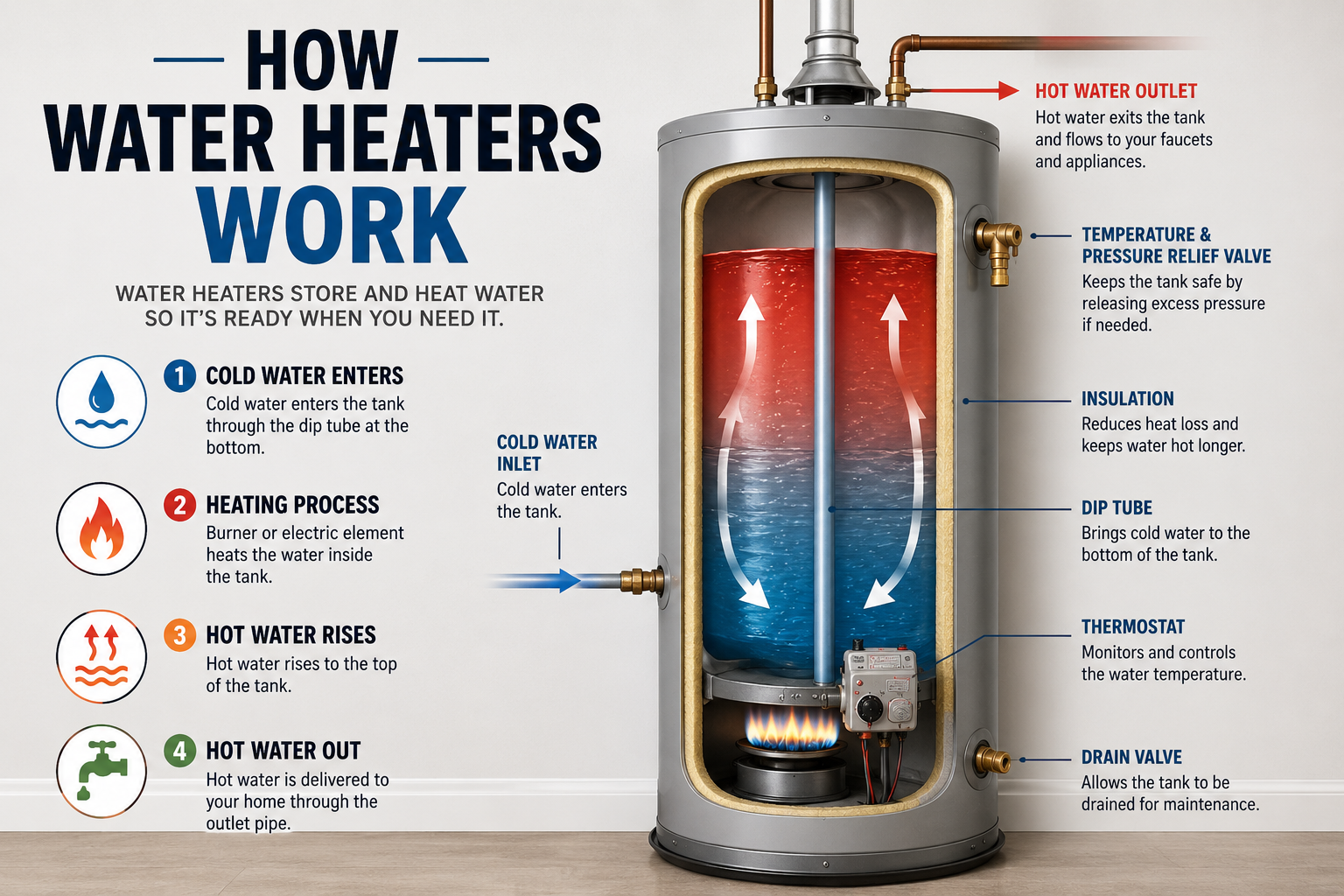
Sediment buildup is one of the most common issues in tank water heaters.
Why flushing matters:
- Removes mineral deposits
- Improves heating efficiency
- Prevents overheating
- Extends system lifespan
Without regular flushing, sediment can harden and damage the tank over time.
Checking the Anode Rod
The anode rod protects the tank from corrosion by attracting minerals that would otherwise damage the tank.
Why it matters:
- Prevents internal rust
- Extends tank lifespan
If the anode rod is worn out, the tank becomes vulnerable to corrosion.
Maintaining Tankless Water Heaters
Tankless systems require a different approach to maintenance.
Key tasks include:
- Descaling to remove mineral buildup
- Checking filters and flow sensors
- Inspecting system performance
Without maintenance, scaling can reduce efficiency and cause system errors.
Signs Your Water Heater Needs Maintenance
Even if your system is still working, certain signs indicate that maintenance is overdue.
- Reduced hot water supply
- Slow heating or inconsistent temperature
- Unusual noises
- Increased energy bills
- Minor leaks or visible wear
Addressing these signs early helps prevent major issues.
When Maintenance Is Not Enough
Maintenance helps prevent problems, but it cannot fix everything.
You may need repair or replacement if:
- The system is leaking
- Components have failed
- Performance continues to decline
- The unit is nearing the end of its lifespan
Benefits of Professional Maintenance
While some basic checks can be done at home, professional maintenance provides a deeper inspection.
Professional servicing includes:
- Thorough system inspection
- Component testing
- Proper flushing and cleaning
- Identifying hidden issues
Maintenance Tips for Longer System Life
To keep your water heater in good condition:
- Schedule regular inspections
- Address small issues early
- Avoid overloading the system
- Keep the area around the unit clean
- Monitor performance changes
Consistency is key to preventing breakdowns.
Water Heater Maintenance in Forest Hills Homes
In Forest Hills, many homes have older water heater systems that require more attention. Sediment buildup and aging components are common challenges in these properties.
Apartment setups and higher usage can also increase strain on systems, making maintenance even more important.
Final Thoughts
Water heater maintenance is one of the simplest ways to avoid costly repairs and extend the life of your system.
By understanding what to check and when to act, you can keep your system running efficiently and avoid unexpected breakdowns.
If you’re unsure about your system’s condition, having it inspected is always a good step.